

When it arrives. Your billing cycle closes about 25 days before your due date, and a mailed
statement is posted around 21 days before it — so allow for post on top of that. Your very
first cycle is much shorter than the rest, which is why the first statement covers only a few
days.
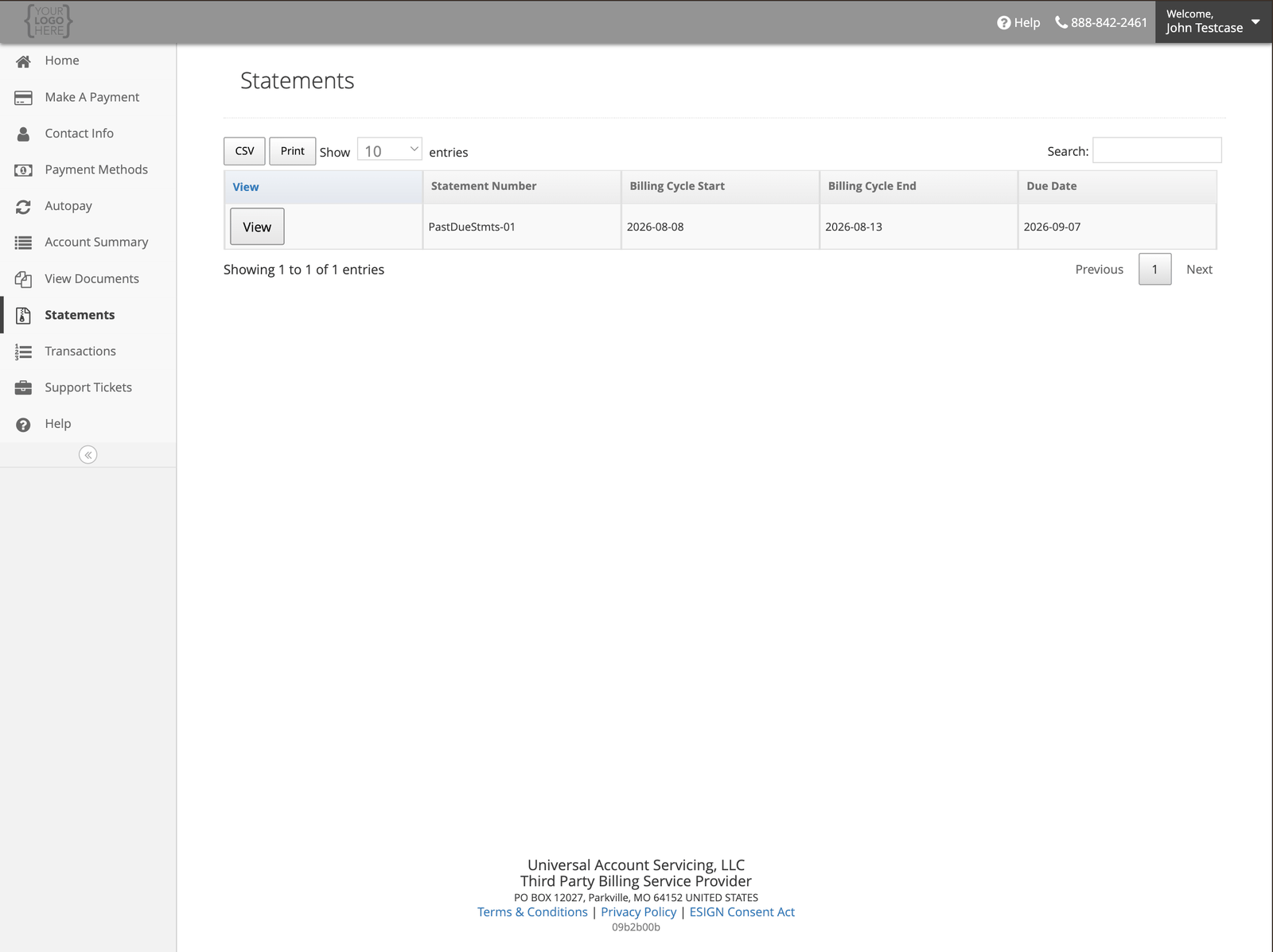
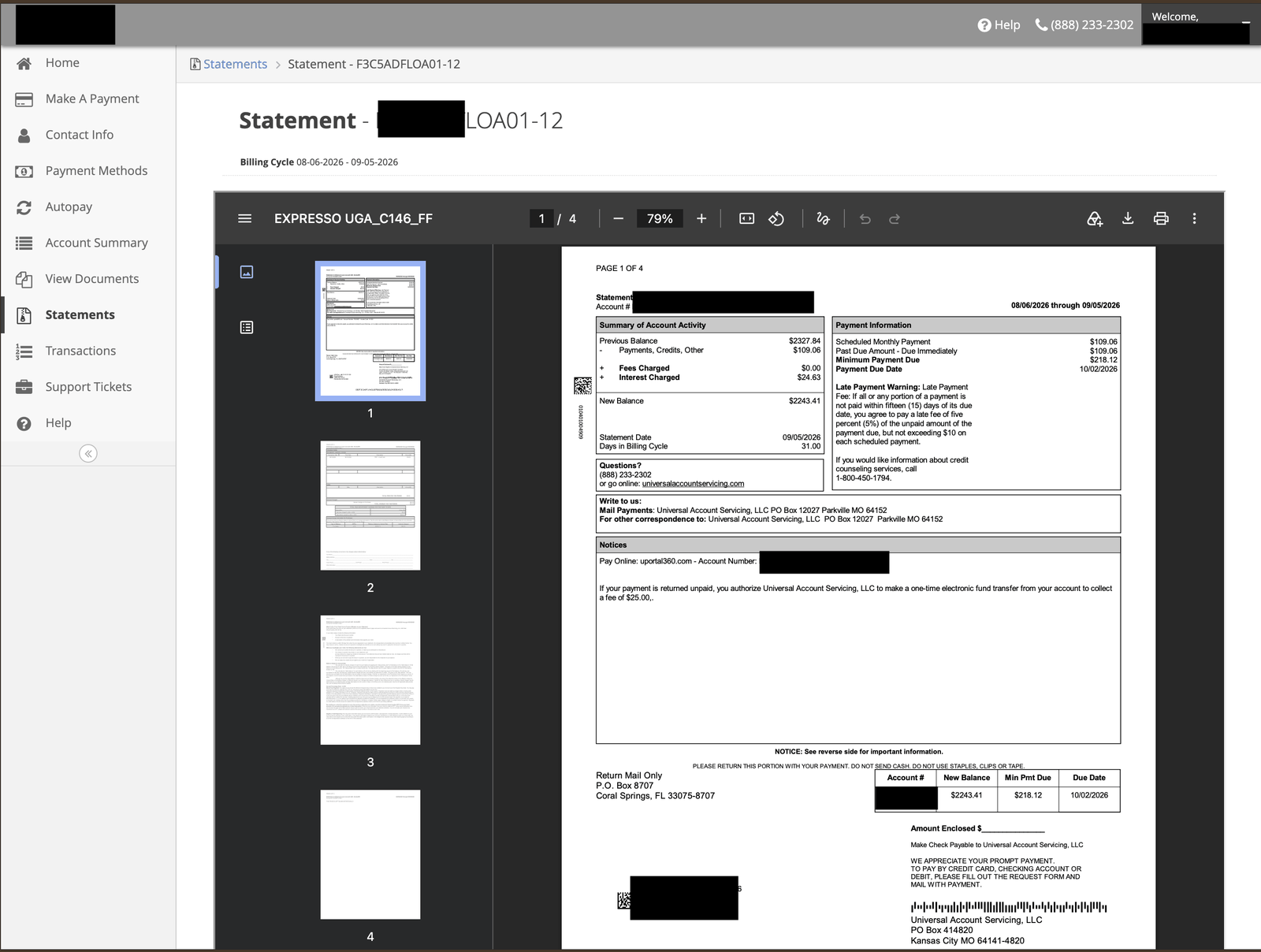
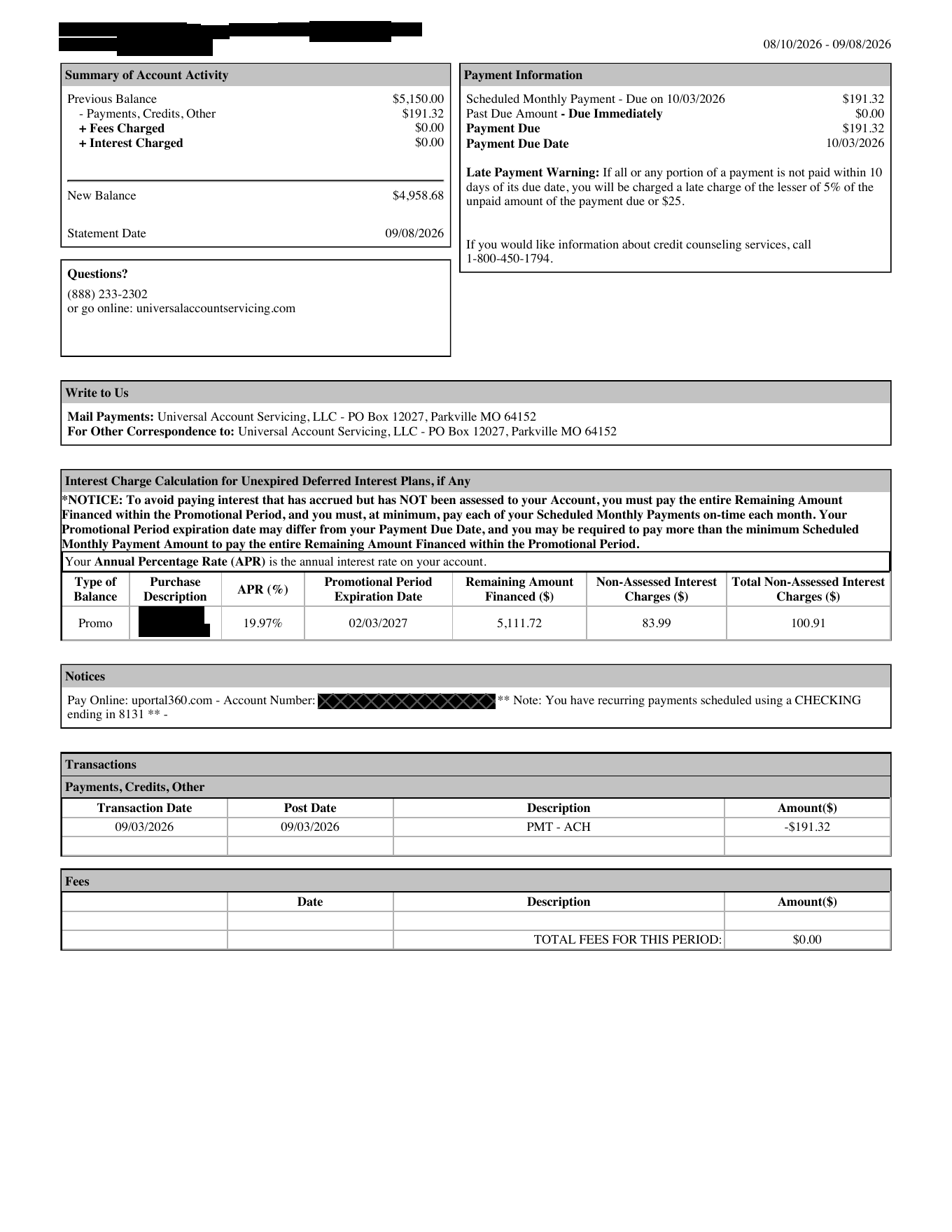
Payment Information
The panel to read first. It tells you what to pay and by when.Summary of Account Activity
Where your balance moved this cycle.
Revolving accounts also show Credit Limit and Credit Available.
If you have a promotional offer
There is an extra panel, and it is the most important one on the statement. The column names differ depending on which kind of offer you have — see Finding your promotion details for the two versions side by side. Read what you still have to pay against the total interest at stake. The second is what you owe if you miss the deadline.Transactions and Fees
Every payment, credit and adjustment this cycle, and any fees. The full history — going back beyond this cycle — is under Transactions in the portal.Notices
Where your Account Number and Access Code are printed, along with a note if you have recurring payments scheduled.Write to Us
The addresses for mailed payments and for correspondence. If you are mailing a payment, see Ways to pay — and if you are paying from Canada, the address is different.The warnings at the bottom
Late Payment Warning gives your grace period and late fee. These vary by program — some accounts have ten days, some fifteen, some have no late fee at all. Yours is in your agreement. Minimum Payment Warning, on revolving accounts, is the standard disclosure that paying only the minimum costs more and takes longer. Every statement also prints a credit counseling referral number, if you would like free help with debt.Going paperless
You can switch to electronic statements, and switch back — see Alerts and paperless statements. Four things worth knowing about which statements arrive how:- If you fall behind, we post you a statement even if you are paperless. It is a second attempt to reach you, not a change to your settings — your paperless preference stays as it was.
- If you are paperless but your email has not been verified yet, your first statement comes by post.
- If you have a fixed-term account on AutoPay, statements are generated electronically and not posted to you.
- If your address is outside the US, statements are electronic only. We do not post them internationally.